Understanding Crypto Law: Navigating Global Ambiguity and Embracing the EU's New 2024 Rules
The world of cryptocurrencies, often lauded for its decentralized and borderless nature, operates within a complex and ever-evolving legal framework. From outright bans to progressive regulatory frameworks, the global landscape of virtual currency legal compliance is a patchwork of differing interpretations, classifications, and restrictions. This intricate web presents significant challenges for innovators, investors, and everyday users alike, demanding a keen understanding of regional nuances. While many jurisdictions grapple with how to categorize and govern digital assets, the European Union is stepping forward with comprehensive new regulations in 2024, aiming to bring clarity and structure to its crypto market.
The Global Patchwork: A Landscape of Divergence in Virtual Currency Legal Compliance
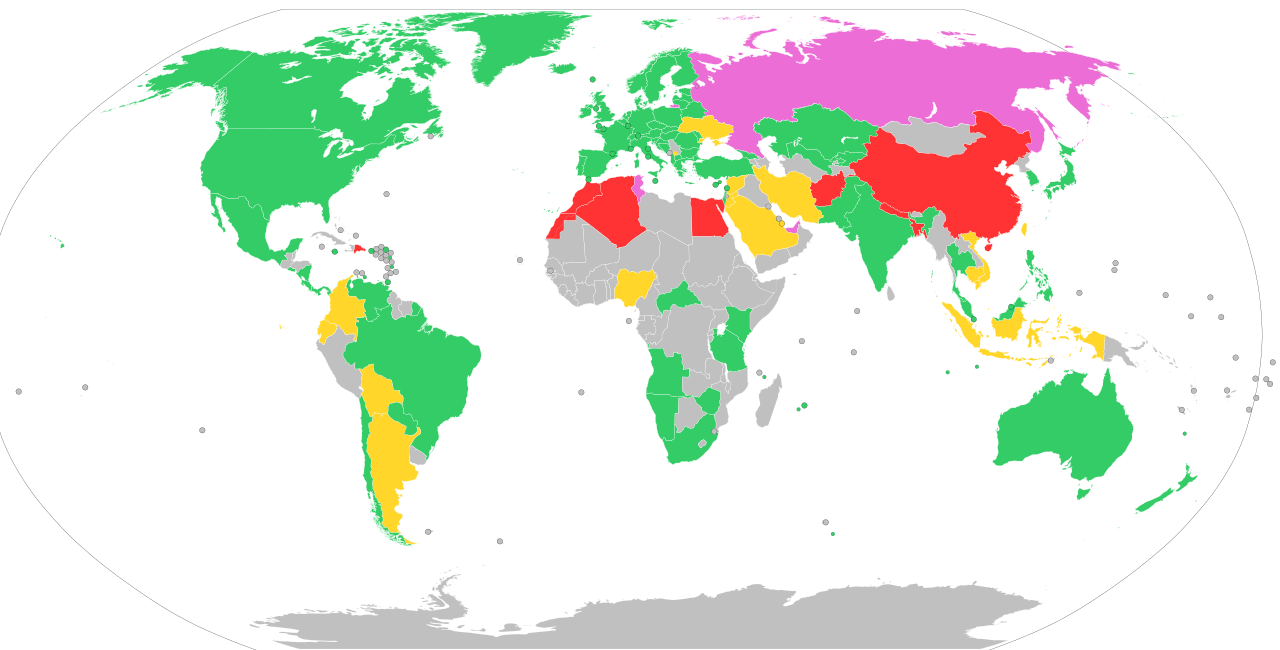
The legal status of cryptocurrencies is far from uniform. Across continents, governments, financial institutions, and courts hold vastly different views, leading to a dynamic and often ambiguous environment for virtual currency legal compliance. In the majority of countries, simply using cryptocurrency isn't inherently illegal. However, its classification—whether as a currency, a commodity, a security, or even property—dictates the applicable regulatory implications, including taxation, licensing requirements for service providers, and consumer protection measures.
Some states have enthusiastically embraced digital assets, explicitly allowing their use and trade, and even exploring central bank digital currencies (CBDCs). Others have taken a more cautious, restrictive, or even outright prohibitory stance, citing concerns ranging from financial stability and investor protection to money laundering and illicit financing. This divergence creates significant hurdles for global crypto businesses and individuals engaged in cross-border transactions, who must painstakingly navigate multiple jurisdictional requirements to ensure proper virtual currency legal compliance. For instance, a transaction perfectly legal in one country could be deemed illicit in another, underscoring the critical need for vigilance and expert advice.
Navigating the EU's Evolving Stance: From Ambiguity to MiCA's Clarity
For years, the European Union exemplified the global ambiguity surrounding crypto assets. While there was no specific overarching EU legislation on the status of Bitcoin as a currency, key rulings and directives began to shape its approach. A landmark decision by the Court of Justice of the European Union (CJEU) in October 2015 declared that the exchange of traditional (fiat) currencies for "bitcoin" virtual currency units is exempt from VAT. This ruling implicitly treated Bitcoin as a means of payment, akin to traditional currencies, rather than a commodity, signifying a crucial step in defining its fiscal treatment within the bloc. This exemption clarified a significant aspect of virtual currency legal compliance for exchanges and users.
Despite this, the European Central Bank (ECB) initially maintained that traditional financial sector regulations weren't directly applicable to Bitcoin, as it didn't involve conventional financial actors. However, others within the EU argued for extending existing rules to encompass Bitcoin and related companies. Over time, the focus shifted towards robust oversight. The European Parliament, for instance, proposed a taskforce to monitor virtual currencies, primarily to combat money laundering and terrorism financing, demonstrating a growing commitment to ensuring security and integrity in the digital asset space.
The EU's regulatory landscape took a decisive turn with the Markets in Crypto-Assets (MiCA) regulation, which began to come into force in 2024. MiCA represents a groundbreaking effort to create a harmonized regulatory framework across all 27 EU member states, providing much-needed clarity for crypto-asset issuers and service providers. It addresses key areas such as authorization requirements, operational rules, consumer protection, and market integrity for various crypto assets (excluding those already covered by existing financial legislation). This comprehensive framework is set to redefine virtual currency legal compliance within the EU, fostering innovation while mitigating risks.
Beyond MiCA, the EU continues to address emerging concerns. Erik Thedéen, vice-chair of the European Securities and Markets Authority (ESMA), notably called for an EU-wide ban on proof-of-work (PoW) crypto mining, advocating for a shift towards more energy-efficient proof-of-stake (PoS) models to combat climate change. Furthermore, the EU plans to restrict privacy-focused cryptocurrencies like Monero and Zcash by 2027, signaling a move towards greater transparency and traceability in an effort to counter illicit financial activities. For a deeper dive into these specific EU developments, explore our article on
EU Crypto Compliance: VAT Exemptions, Mining Bans, and Privacy Coin Future.
China's Firm Stance: A Case Study in Restriction and Virtual Currency Legal Compliance
In stark contrast to the EU's move towards regulated integration, China has pursued a notably restrictive path, presenting a challenging environment for virtual currency legal compliance. While China's current laws don't explicitly declare the *personal trading* of all cryptocurrencies as illegal in every context, the government has imposed severe restrictions and robust supervision on cryptocurrency transactions.
A pivotal moment came in September 2017 when the People's Bank of China and other ministries issued the "Announcement on Preventing Token Issuance Financing Risks." This decree unequivocally banned all forms of token issuance financing (ICOs) and compelled cryptocurrency exchanges to cease operations and liquidate funds. This blanket prohibition made engaging in crypto-related business activities extremely difficult and largely illegal for entities within China.
Regarding specific assets like Tether (USDT), China's regulatory environment considers it illegal when viewed through the lens of issuance and exchange operations. Although an individual buying or selling USDT might not face direct criminal charges for the act itself, the platforms and mechanisms facilitating such trades are largely prohibited. The Chinese government's comprehensive crackdown aims to curb financial risks, capital outflow, and illicit activities, effectively making the widespread, compliant use of cryptocurrencies like USDT a legal minefield for its citizens. Investors are therefore urged to exercise extreme caution and fully understand the severe restrictions in place. For more detailed information on China's approach, refer to
China's Crypto Crackdown: Is USDT Trading Illegal in the PRC?
Practical Tips for Navigating Virtual Currency Legal Compliance
Given the dynamic and disparate nature of crypto law, individuals and businesses operating in this space must adopt a proactive approach to virtual currency legal compliance:
*
Stay Informed: Regularly monitor regulatory updates in all relevant jurisdictions. Crypto laws can change rapidly and with little warning.
*
Understand Jurisdictional Nuances: What's legal in one country may be prohibited in another. Always verify the status of crypto assets and activities in your specific location and any locations where you conduct business.
*
Seek Professional Advice: For any significant crypto-related activity, especially for businesses, consult with legal and tax professionals specializing in digital assets. Their expertise can help navigate complex regulations and minimize risks.
*
Due Diligence on Service Providers: If using crypto exchanges, wallets, or other services, ensure they are reputable and compliant with local regulations.
*
Record Keeping: Maintain meticulous records of all crypto transactions for tax purposes and potential regulatory inquiries. Tax obligations, even for VAT-exempt exchanges, still apply to profits from sales of goods/services using crypto, and capital gains.
*
Beware of Cross-Border Risks: Be aware that engaging with international platforms or individuals can expose you to different legal systems and potential conflicts of law.
The ongoing evolution of crypto law highlights the critical importance of robust virtual currency legal compliance. As governments worldwide strive to balance innovation with investor protection and financial stability, the landscape will continue to shift. While the EU takes significant strides towards comprehensive regulation, other nations may choose divergent paths. Adapting to this ever-changing environment, through continuous learning and adherence to best practices, is paramount for anyone involved in the crypto ecosystem.